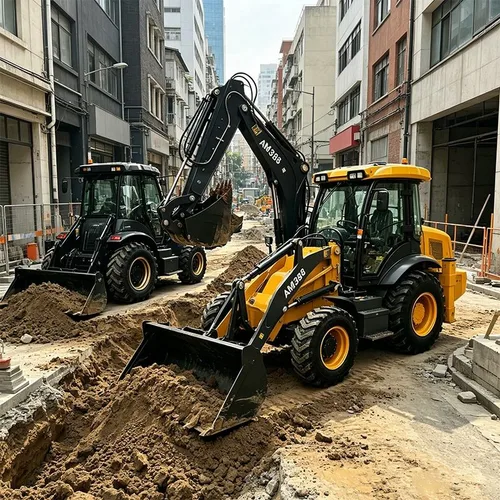
Full Machine Maintenance Is Essential in Africa
Construction machinery working in Africa must deal with heat, dust, long working hours and rough terrain. These conditions affect not only the engine and transmission system, but also the electrical system, cab components, hydraulic system and full machine structure.
Shentui Construction Machinery (Jining) Co., Ltd., also known as SHENTUI, provides practical maintenance suggestions for machines used in African construction environments. Under the LANDNEO logo, SHENTUI helps customers build preventive maintenance plans for loaders, bulldozers, excavators, backhoe loaders and other heavy equipment.
1. Battery Maintenance
The battery supports machine starting and electrical power supply.
-
Standard replacement interval: every 1–2 years
-
African working condition interval: around 1 year
-
Application area: electrical system
High temperature and unstable voltage can shorten battery life. In African regions, batteries may fail earlier than expected, especially when machines work long hours or park outdoors.
Operators should check battery terminals, electrolyte condition and charging performance regularly.
2. Wiring Harness and Connectors
Wiring harnesses and connectors are used throughout the electrical system.
-
Standard replacement interval: replace when needed
-
African working condition interval: replace when needed
-
Application area: electrical wiring system
Strong sunlight, high temperature and dust can cause wiring harness aging or connector cracking. Loose or damaged connectors may result in starting problems, lighting failure or sensor malfunction.
SHENTUI recommends checking wiring protection and connector sealing during scheduled maintenance.
3. Bulbs and Lamp Holders
Bulbs and lamp holders are used in front lights, rear lights and turn signals.
-
Standard replacement interval: replace when needed
-
African working condition interval: replace when needed
-
Application area: front lights, rear lights and turn signal lights
Vibration and dust may damage bulbs or lamp holders. For machines working at night or in mining areas, lighting reliability is important for safe operation.
Operators should inspect all lights before night work.
4. Wiper Blades and Rubber Strips
Wiper blades and rubber strips are used in the cab.
• Standard replacement interval: every 6 months
• African working condition interval: every 3 months
• Application area: operator cab
Strong sunlight and dust can accelerate rubber aging. If wiper blades become hard or cracked, visibility may be reduced during rain or cleaning. In African high-UV environments, SHENTUI recommends replacing wiper blades more frequently.
Recommended Maintenance Schedule
Daily Maintenance
Daily maintenance should be performed before or after each working day.
Key inspection items include:
-
Check oil level, water level and tire pressure
-
Check whether there is oil leakage
-
Check unusual noise during operation
-
Clean the radiator and remove dust
-
Check lights, battery terminals and visible wiring
-
Check tires and wheel bolts
Daily maintenance is the most effective way to prevent sudden failure.
100-Hour Maintenance
After every 100 working hours, operators should focus on tightening and lubrication.
Recommended tasks include:
-
Tighten full-machine bolts
-
Lubricate pins and moving joints
-
Check engine air filter
-
Check transmission shaft bolts
-
Check wheel bolts
For African job sites, the tire bolts and transmission shaft bolts should receive extra attention because rough roads can cause loosening.
200-Hour Maintenance
After every 200 working hours, the machine should receive basic fluid and filter service.
Recommended tasks include:
-
Replace engine oil
-
Replace engine oil filter
-
Inspect air filter condition
-
Clean or replace filters according to dust level
-
Check radiator and cooling system
In African conditions, SHENTUI recommends replacing the engine oil filter earlier than in standard working environments.
500-Hour Maintenance
After every 500 working hours, the hydraulic system and belt system should be inspected.
Recommended tasks include:
-
Replace hydraulic oil filter
-
Check fan belt and generator belt tension
-
Inspect hydraulic hoses for aging or cracking
-
Check electrical wiring near high-temperature areas
For high-temperature African regions, hydraulic hoses and rubber belts may age faster and should be checked carefully.
1000-Hour Maintenance
After every 1000 working hours, the transmission and axle system should receive deeper maintenance.
Recommended tasks include:
-
Replace front and rear axle gear oil
-
Replace or inspect coolant
-
Check full-machine belts
-
Inspect transmission shaft and universal joints
-
Check wheel hubs and oil seals
Under African heavy-duty conditions, SHENTUI recommends moving this service forward to around 800 hours when machines work in extreme heat or high-dust areas.
2000-Hour Major Maintenance
After every 2000 working hours, a full machine inspection is recommended.
Recommended tasks include:
-
Replace full-machine oils according to condition
-
Inspect sealing parts
-
Check working device pins and bushings
-
Inspect clutch disc and pressure plate
-
Check hydraulic system performance
-
Inspect structural parts and wear plates
For African conditions, SHENTUI recommends performing major maintenance earlier, around 1500 hours, especially for machines working in mining, quarrying or continuous heavy-load projects.
African Working Condition Maintenance Advice
Compared with standard environments, African job sites require shorter service intervals because of:
• Higher ambient temperature
• More dust and sand
• Rough roads and heavy vibration
• Long working hours
• Greater load on filters, tires and hydraulic parts
• Faster aging of rubber and electrical components
A preventive maintenance plan helps reduce downtime, protect major components and improve machine return on investment.
Why SHENTUI LANDNEO Is a Reliable Partner
Shentui Construction Machinery (Jining) Co., Ltd. provides construction machinery, spare parts and maintenance support for global customers. The LANDNEO logo represents practical machinery solutions for demanding construction environments. For African contractors, dealers and fleet owners, SHENTUI recommends combining correct machine selection with a strict maintenance schedule. This approach helps equipment work longer, safer and more efficiently.