The subterranean world of tunnel construction, underground mining, and shaft infrastructure presents some of the most punishing operational environments for heavy machinery. For decades, diesel-powered excavators have been the standard, but they come with a heavy price: crippling ventilation costs, oppressive heat, harmful particulate matter, and the logistical nightmare of fuel delivery in confined spaces. Today, the industry is undergoing a paradigm shift. The question is no longer 'if' to electrify, but rather 'Which electric excavator is best for underground engineering?' This technical guide provides an authoritative, data-driven comparison of the leading electric excavators engineered for these extreme conditions, featuring insights on the LiuGong 924FE, Liebherr R 920 G8-E, SANY SY215E, and more .

Selecting an electric excavator for underground work is not simply about replacing a diesel tank with a battery pack. It requires a fundamental re-engineering of the entire machine to withstand low oxygen, high humidity, abrasive dust, and tight confines. Here is how the top contenders meet these challenges.
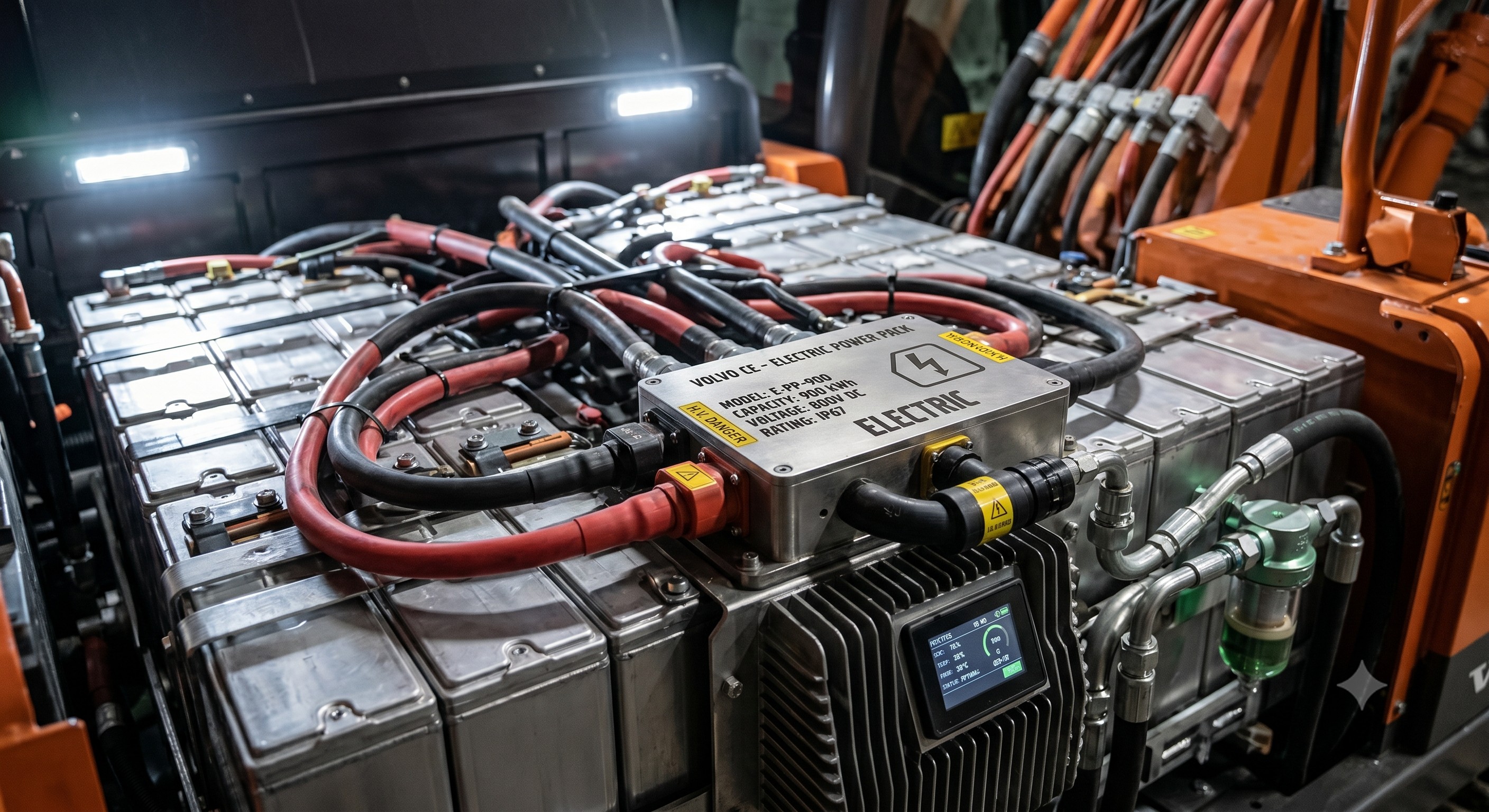
The battery is the heart of any electric excavator. For underground use, thermal management is critical to prevent performance derating in hot, poorly ventilated drifts. The LiuGong 924FE utilizes a robust LFP (Lithium Iron Phosphate) battery with a rated storage energy of 423/528 kWh, known for its safety and longevity . Similarly, the SANY SY215E leverages a 422 kWh high-performance lithium-ion battery, boasting a design life exceeding 10 years . The Liebherr R 920 G8-E offers flexibility with a choice of 188 kWh or 282 kWh high-voltage batteries, enabling operation times of six to ten hours depending on the shift cycle .
Performance parity with diesel is non-negotiable. The Liebherr R 920 G8-E delivers an output of 115 kW, matching its diesel counterpart . The SANY SY375EP, a cable-powered giant, features a 200 kW PMS motor delivering 1,140 Nm of torque and an operating weight of 37,800 kg, ideal for heavy continuous loads . For compact applications, the EZ-KO250 by FAMUR is an ATEX-certified 45 kW electric motor unit weighing just 8,100 kg, specifically designed to navigate shaft floors .
Reinforced structures are mandatory. The LiuGong 924FE features a comprehensively strengthened chassis and boom to handle rock-heavy tunnel conditions . Safety is paramount; the EZ-KO250 is ATEX certified for explosive atmospheres, while modern machines like the Liebherr R 920 G8-E incorporate haptic feedback and hand-detection sensors for enhanced safety (ISO standards) .
To make an objective decision, one must evaluate the raw data. The following table compares the critical parameters of the leading electric excavators suitable for underground and heavy-duty engineering applications.
| Model | Operating Weight | Battery Capacity | Motor Power | Application Focus |
|---|---|---|---|---|
| LiuGong 924FE | 24,900 kg | 423/528 kWh | 115 kW | Tunneling, Heavy Construction |
| Liebherr R 920 G8-E | 20,900 kg | 188/282 kWh | 115 kW | Urban, General Underground |
| SANY SY215E | 23,200 kg | 422 kWh | 150 kW | Tunneling, Earthmoving |
| FAMUR EZ-KO250 | 8,100 kg | N/A (Cable) | 45 kW | Shaft Mining (ATEX) |
| Hitachi EX2000-7E | N/A (Large) | N/A (Cable) | 610 kW | Mass Mining |
The business case for electric excavators in underground engineering is overwhelmingly financial. While the initial capital expenditure (CAPEX) is higher than diesel, the Total Cost of Ownership (TCO) is significantly lower.
Electric excavators are proving their versatility across multiple heavy-duty scenarios, excelling where diesel machines falter.
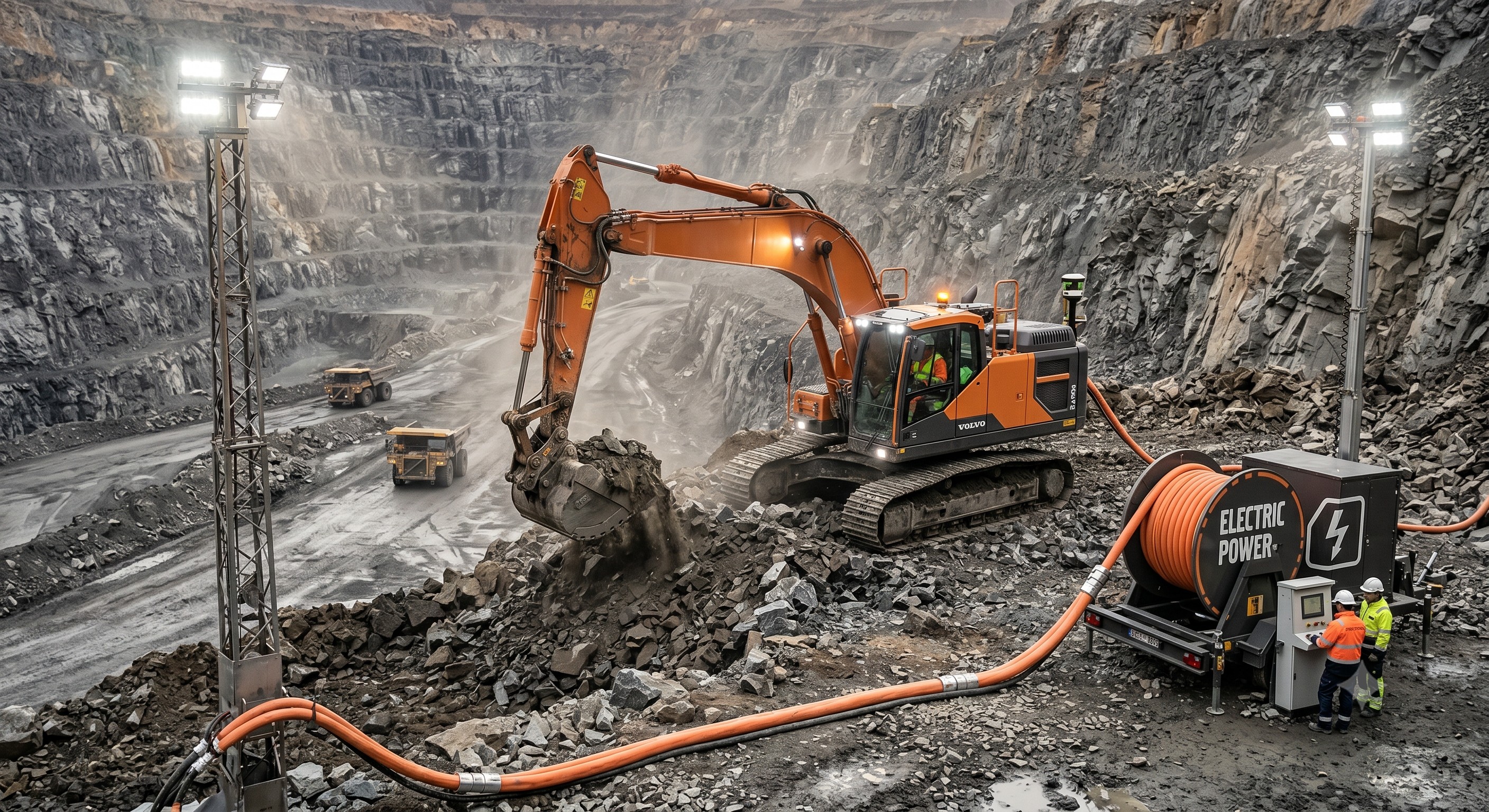
Underground Mining and Tunneling: This is the primary battleground. Machines like the EZ-KO250 are specialized for shaft deployment, while the 924FE is built for low-oxygen, rock-heavy tunnel faces, ensuring maximum productivity without ventilation constraints .
Urban Construction and Night Shifts: With strict noise and emission regulations, units like the Liebherr R 920 G8-E and Hyundai HX19e enable quiet, zero-emission work in city centers and during nighttime hours .
Large-Scale Mining: For massive earthmoving, the Hitachi EX2000-7E (610 kW) and SANY SY375EP provide the sheer power required for continuous material handling in surface and subsurface mining .

The data is conclusive: the best electric excavator for underground engineering is not a one-size-fits-all solution, but rather a strategic choice based on specific application needs. For heavy-duty tunneling and versatility, the LiuGong 924FE and Liebherr R 920 G8-E lead the pack with robust power and runtime . For extreme compact conditions and ATEX compliance, the FAMUR EZ-KO250 is unmatched . As battery technology and intelligent controls (like Liebherr's INTUSI) continue to evolve, the transition to electric fleets will accelerate, driving a new era of sustainable, efficient, and productive underground engineering .